
Understand your home’s heating system.
Start by identifying what makes heat and how it reaches the rooms. Different heating systems need different equipment, controls, and maintenance.
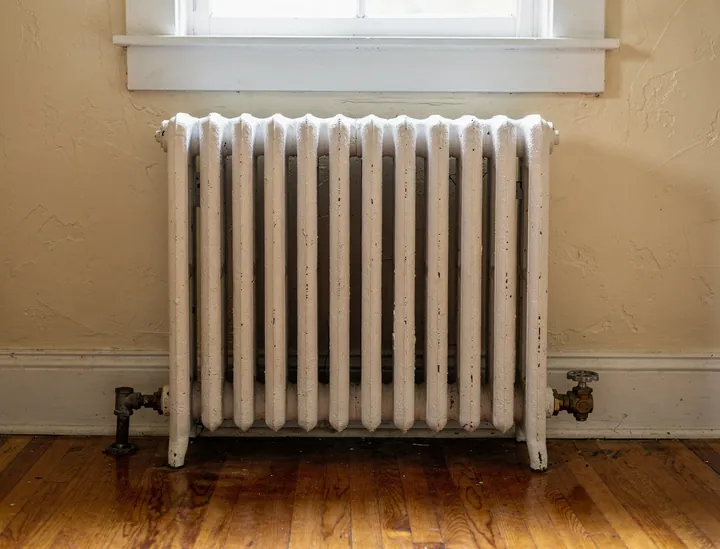
Heat source and heat delivery are different.
A forced-air furnace heats air that a blower sends through ducts. A fuel-fired furnace uses combustion; electric resistance heating uses electrical elements. A heat pump transfers heat instead. A radiator is part of a different distribution arrangement. These are equipment explanations, not a list of heating types Mountain Air has confirmed servicing.
Compare a furnace with the alternatives.
A replacement discussion should include the available energy source, current distribution system, comfort issues, and cold-weather needs. A heat pump may also provide cooling. Some homes use a furnace with a compatible heat pump in a dual-fuel arrangement. Neither option suits every house without further assessment.
Safety belongs in the scope of work.
Fuel-burning equipment needs appropriate combustion air, venting, and professional safety checks. Electric heating has its own supply and control requirements. Ask who will assess these parts of the project. Do not open equipment or attempt fuel, venting, or electrical repairs to diagnose a problem.
Plan care around the actual equipment.
An equipment manual and service history are more useful than a generic tune-up checklist. Ask which inspections and cleaning tasks apply to your system and when they should be done. Keep a note of unusual odors, sounds, cycling, or temperature differences to share when requesting help.
Compare the approach, not just the equipment.
| Approach | Worth discussing when | Check before deciding |
|---|---|---|
| Furnace | Evaluating a forced-air heating replacement. | Fuel or electric supply, venting where applicable, and ducts. |
| Heat pump | Considering one system for heating and cooling. | Low-temperature capacity, airflow, and backup strategy. |
| Keep the distribution system | Existing ducts or another distribution system may remain useful. | Condition and compatibility before selecting equipment. |
Make the next conversation useful.
These guides explain equipment choices. Mountain Air’s specific products, installation, repair, and maintenance capabilities are confirmed directly.
Talk about your homeIs an air handler the same as a furnace?
No. An air handler moves air and often contains a coil; a furnace includes a heat-producing section. Their appearance alone may not tell you what equipment you have.
Can I switch heating types without other changes?
A change can affect electrical supply, controls, ducts, venting, or indoor components. Ask for a complete scope rather than comparing equipment prices alone.
Does Mountain Air work on every heating type?
Specific fuel types, equipment, and work must be confirmed directly. Describe your system before arranging service.